Everest Base Camp Trek with Island Peak Climbing

Climb through one of the fascinating peaks of the Everest region, offering a one-of-a-kind sight of most peaks. Whether you are preparing your body for the summit or want to experience trekking in the Himalayas, Island Peak is the one.

Overview

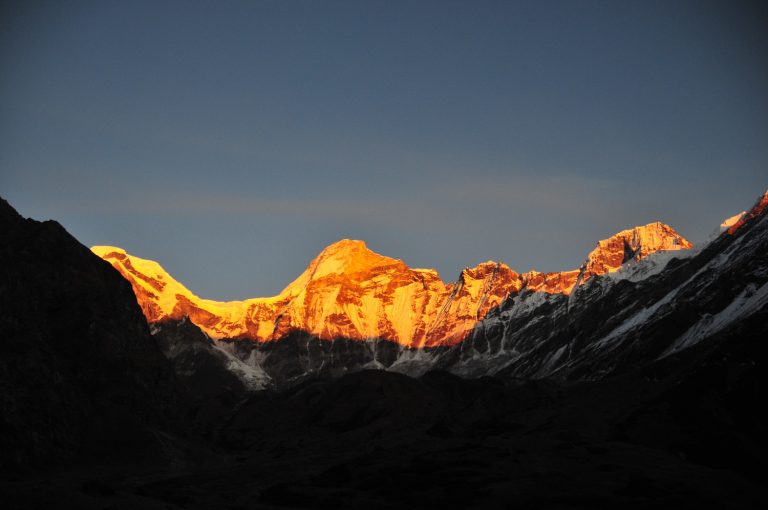
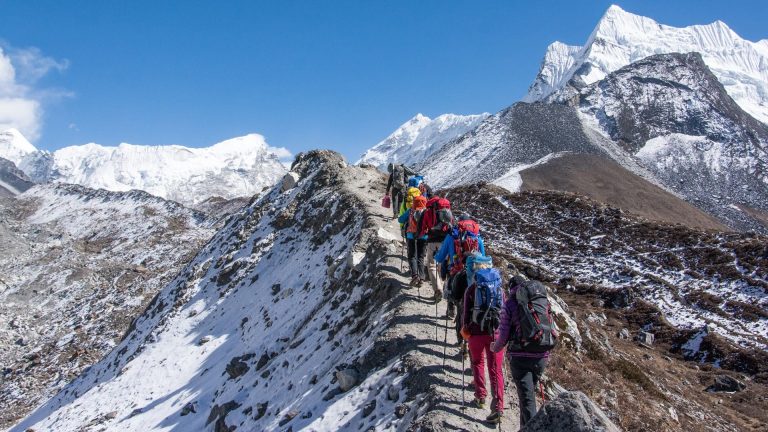
Island Peak, also known as Imja Tse among the locals, is one of the most effortless yet worthwhile expeditions for adventure enthusiasts. Standing at an elevation of 6189 meters, the peak offers quite a thrilling experience of the pristine lands, rich cultural heritages, and fantastic mountain views of all the surrounding peaks of the Everest region.

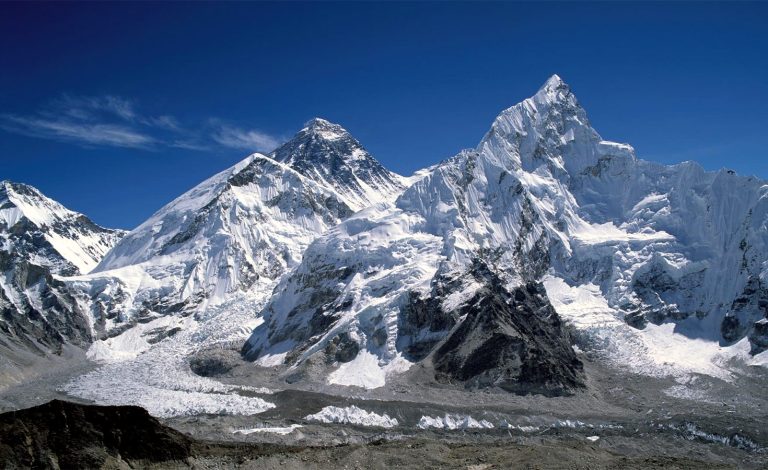
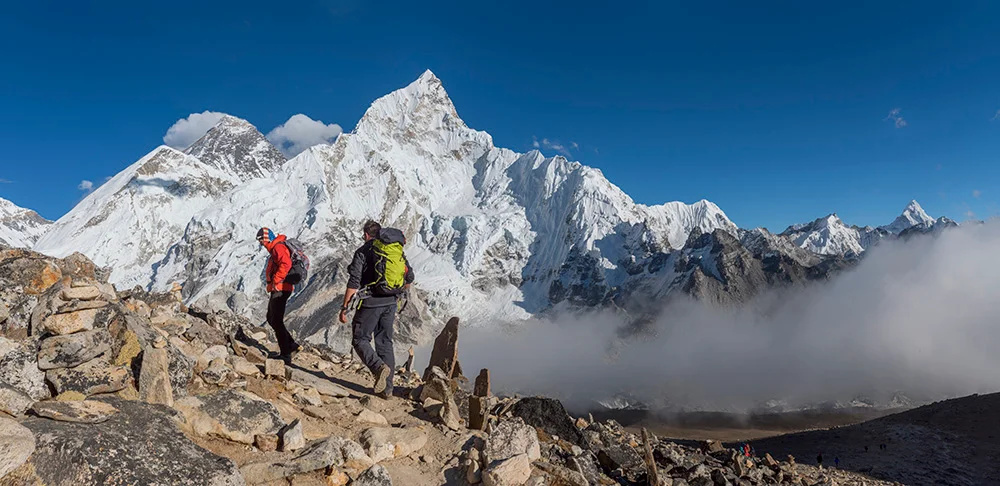
After successfully summitting this peak, you will be able to catch a captivating view of the highest mountains like Mount Everest (8848.86 mtrs.), Kanchenjunga (8586 mtrs.), Lhotse (8516 mtrs.), Makalu (8481 mtrs.), Cho Oyu (8188 mtrs.), Manaslu (8167 mtrs.), Dhaulagiri (8167 mtrs.), Annapurna I (8091 mtrs.), and Shishapangma (8013 mtrs.).

Despite being a little technical climb, this journey to Island Peak is easily attainable even though you do not have prior experience of mountain expeditions. Whether you are preparing to summit the Eight-Thousanders or want to experience climbing a peak, Island Peak is the right option.

The Everest Base Camp Trek with Island Peak Climbing is a 16-day journey that begins with a scenic yet thrilling flight to the Lukla Airport, which is infamous as one of the most dangerous in the world for having the shortest runway near the hills. Your actual trek starts right after the 45-minute flight lands, and you get introduced to the chilly breeze of the high altitude on your hike up to Phakding, your destination for the day.

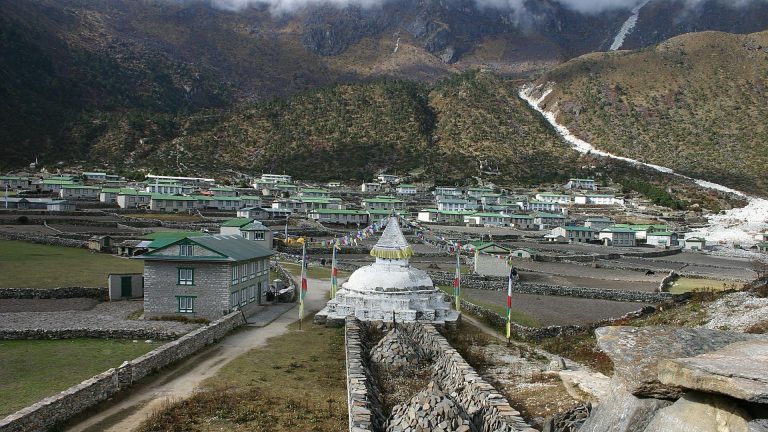
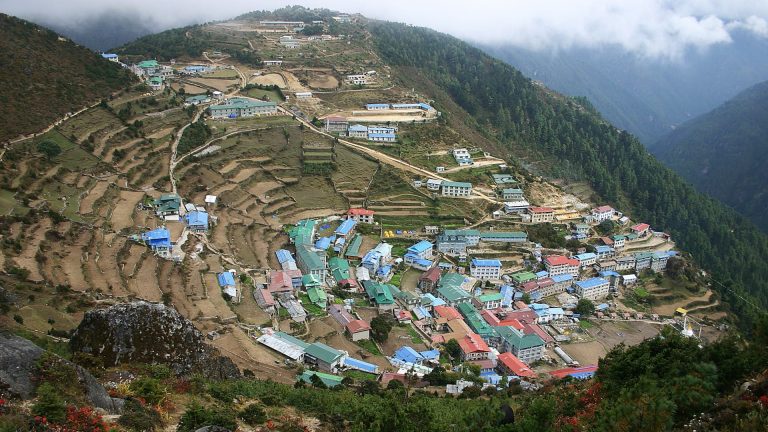
The next morning, we trek to Namche Bazaar and end the day exploring the Sherpa settlement filled with bustline hordes of fellow trekkers, summiteers, and trek guides. We will rest the night enjoying the sherpa hospitality, served with good food and a local lifestyle. Continuing the ascend, we will trek in the following days to Sherpa villages like Tengboche, Dingboche, and Chhukung, which fall on our trail to the Island Peak. These villages serve as our resting stops and offer cultural experiences of the Tibetan and Sherpa people who reside in the high mountains.

You will also be able to visit the Buddhist monasteries and learning centers dedicated to the legendary mountaineers Edmund Hillary and Tenzing Norgay Sherpa.
After passing the Chhukung Ri and spending the night in the Chhukung village, we march towards the Island base Camp. We will build up a tent and spend that very night in the base camp, enjoying the cold breeze and preparing our bodies for the summit the next day.

On this day, we will begin our climb early in the morning, reach the summit of Island Peak in daylight, and trek back to Chhukung village to rest out, as staying in the base camp at such a high altitude might not be the best option. From here onwards, we begin our descent following the same route through Sherpa villages, then to Namche, and back to Kathmandu.
Highlights

  • Scenic flight from Kathmandu to Lukla, with stunning aerial views of the Himalayas.
  • Trekking through the diverse landscapes of Sagarmatha National Park, a UNESCO World Heritage site.
  • Cultural immersion in Namche Bazaar, the bustling Sherpa town and gateway to Everest.
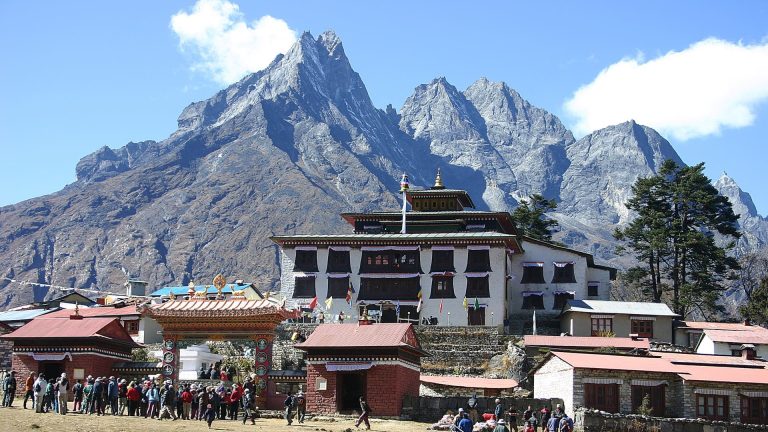
  • Visit Tengboche Monastery, the spiritual center of the Khumbu region, with breathtaking views of Everest and Ama Dablam.
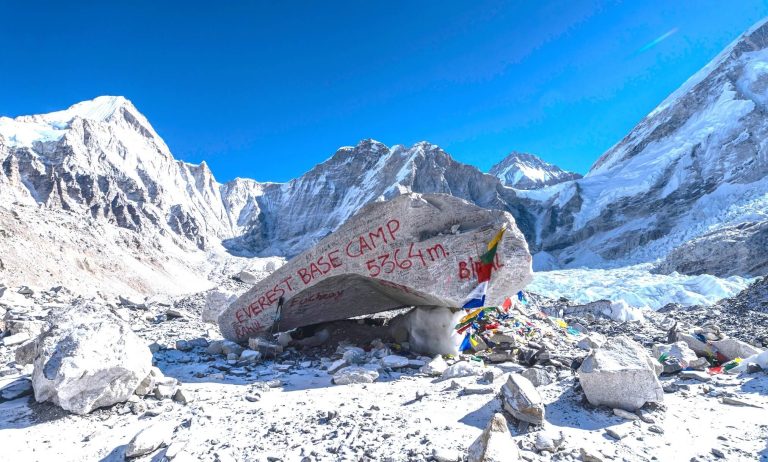
  • Stop at the launching point for the Everest summiteers, the Everest base camp. It offers a view of the Khumbu Icefall, Khumbu Glacier, and iconic peaks like Lhotse, Nuptse, Pumori, etc.
  • Sunrise hike to Kala Patthar; the ultimate viewpoint for unobstructed views of Mount Everest and the surrounding giants.
  • Acclimatization days in Namche Bazaar and Dingboche, offering hikes to nearby viewpoints with panoramic vistas.
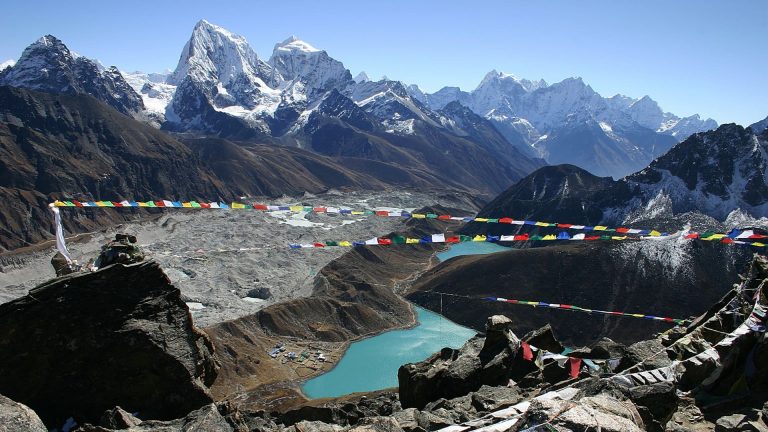
  • Trek to the three highest passes of Everest, Kongma La Pass (5535 meters), Renjo La Pass (5360 meters), and Cho La Pass (5420 meters).
  • Panoramic views of the Everest from Kalapathar and Everest View Hotel, the highest one in the Khumbu region.
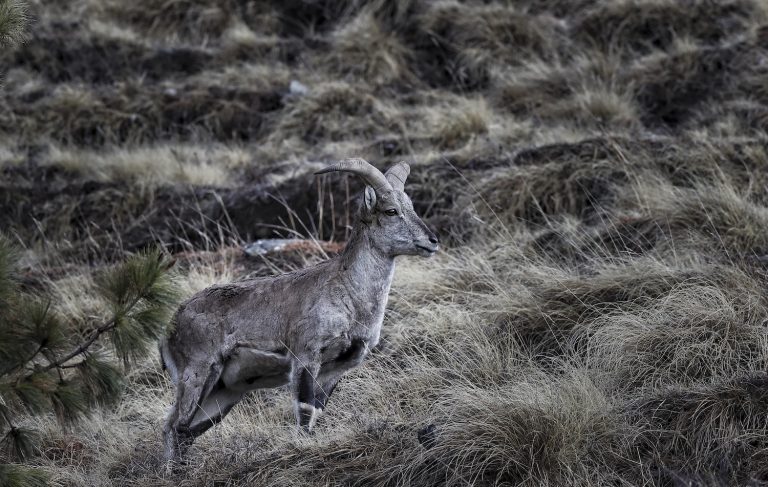
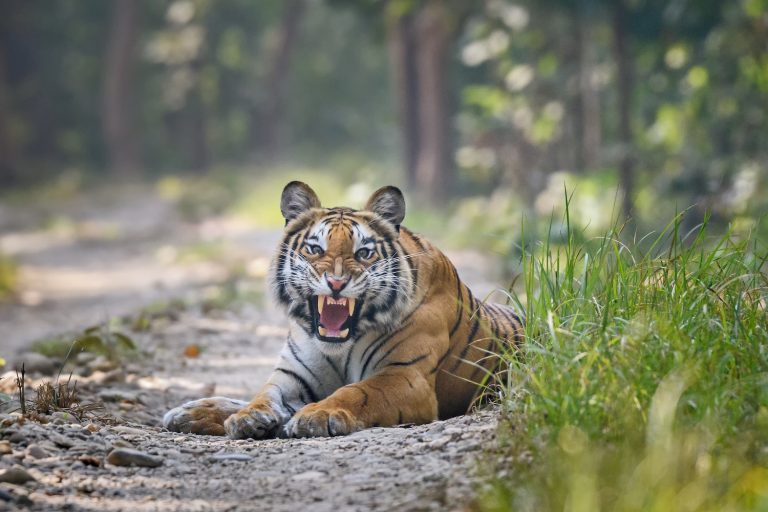
  • A chance to encounter the rich biodiversity of the Sagarmatha National Park in the Everest region.
  • Climbing Chhukung Ri and summit the Island Peak.

FAQs

How difficult is climbing the Island Peak?

Island Peak is moderately difficult to climb and is graded a 2B in difficulty. You will require a good level of fitness and basic mountaineering skills to use ice axes and crampons to climb this peak. Even though it isn’t a difficult peak to climb, you need to have some technical skills.

What is the success rate of the Island Peak?

Since the peak is just 6000 meters high, has well-established routes, and is a relatively less technical summit, the success rate of the Island Peak is above 80%. If you choose the right trekking company with an experienced guide, climbing Island Peak will be a piece of cake.

Is Island Peak dangerous?

Being a high-altitude mountain covered with snow, it is obvious that climbing Island Peak is a little challenging and not without danger. However, the less technical slops and easy uphill make it a comparatively less dangerous peak to climb.

Can you climb Island Peak without a guide?

No, you cannot climb the Island peak without a guide even though you are a polished and experienced expedite.

What permits are required?

To enter the Everest region, you will need the Sagarmatha National Park Entry Permit and the Khumbu Pasang Lhamu Municipality Entry Permit. These passes can be obtained easily from the Tourism Board of Nepal or the Lukla or Monjo check post if you are already in Lukla.

You will also require the Island Climbing Permit issued by the Nepal Mountaineering Association (NMA) to climb the peak.


Press + K to search